Jiu Jitsu gives you a calm, capable kind of confidence that shows up at work, at school, and in the moments you least expect.
Confidence is a funny thing: most people try to think their way into it, but real confidence usually comes from doing hard things repeatedly and realizing you can handle them. That is one reason we love teaching Jiu Jitsu in Georgetown, Texas. The mat gives you practical problems to solve, immediate feedback, and a safe place to fail, reset, and improve without ego.
In our classes, you do not have to pretend you feel brave. You show up, you learn positions, you practice small escapes, and you discover that pressure does not have to control your decisions. Over time, that steady progress turns into everyday confidence you can actually use.
Why confidence grows faster when you train Jiu Jitsu
Jiu Jitsu is often called “human chess,” but what matters for confidence is simpler: you learn how to keep thinking while something challenging is happening. Instead of freezing or rushing, you build the habit of staying present. That habit carries into daily life, from tough conversations to stressful workdays.
Training also creates a clear cause-and-effect relationship. When you practice a technique with good timing, it works more often. When you skip the details, it falls apart. That sounds obvious, but living it week after week changes how you view obstacles. You start trusting that effort and coaching lead somewhere.
And there is another piece people do not expect: tapping. Learning to tap early and safely teaches humility and self-control, not defeat. You learn you can acknowledge a problem without spiraling, then come back smarter the next round. That mindset is confidence, just in a quieter form.
The three layers of everyday confidence we build in class
We see confidence show up in layers, not all at once. It is not a switch you flip; it is more like a skill you earn.
Layer 1: Technical competence you can feel
Early wins are often small. You learn how to stand, how to breathe, and how to move your hips without feeling lost. Then you learn a basic escape, and suddenly a “bad spot” feels manageable. Your body starts recognizing patterns, and that reduces anxiety by itself.
When you know what to do with your hands, your frames, your base, and your posture, you carry yourself differently. People notice. More importantly, you notice.
Layer 2: Emotional control under pressure
We train in a controlled environment, so you can experience pressure safely. That matters because many confidence issues are not about strength, they are about stress. When your heart rate climbs, you learn how to slow your breathing and make a decision anyway.
Over time you build composure:
- You stop panicking in uncomfortable positions
- You learn to recover after mistakes instead of quitting
- You get used to being a beginner and staying consistent
That is a life skill. It shows up when your inbox is full, when schedules change, when you have to speak up, or when you simply feel overwhelmed.
Layer 3: Belonging and support
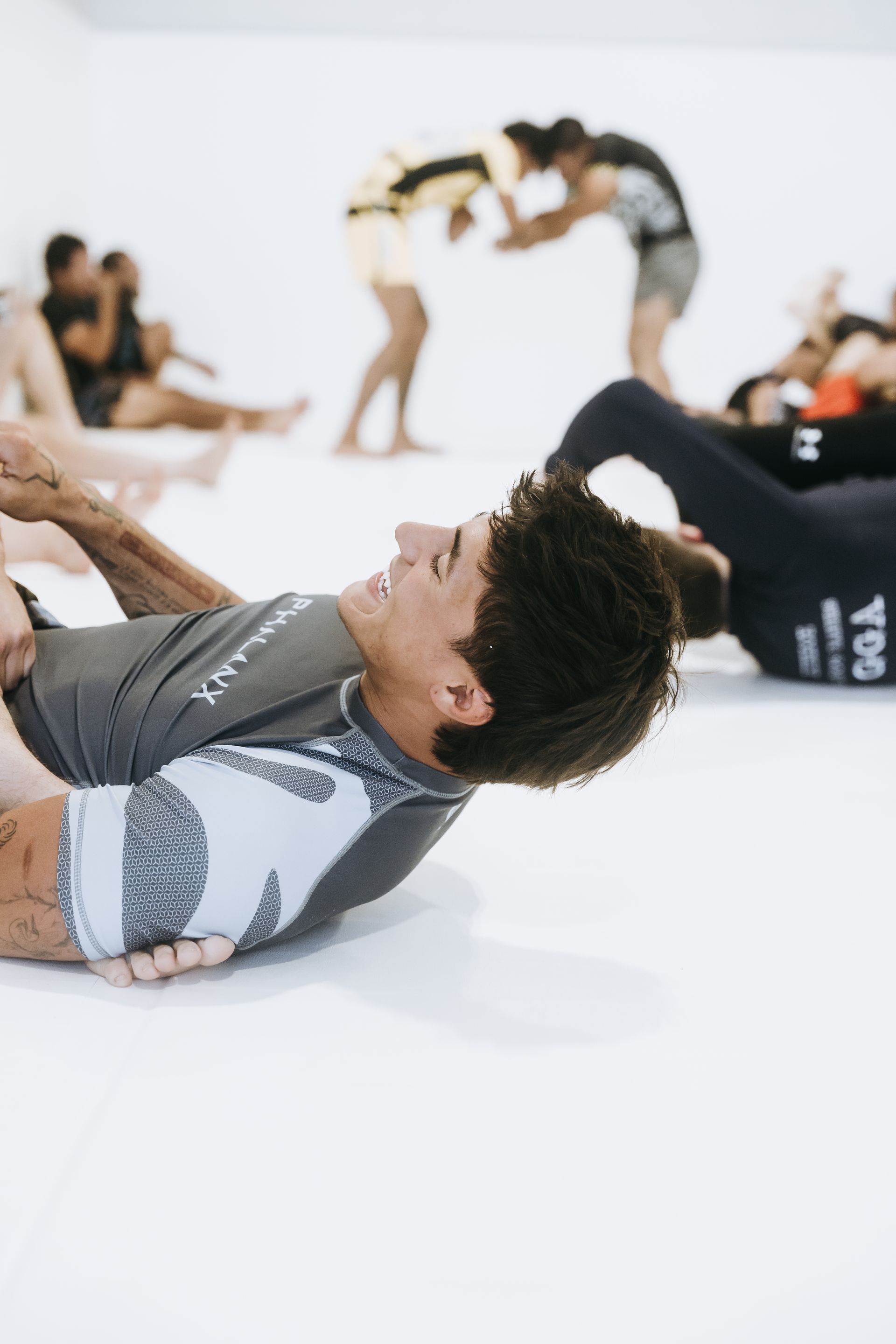
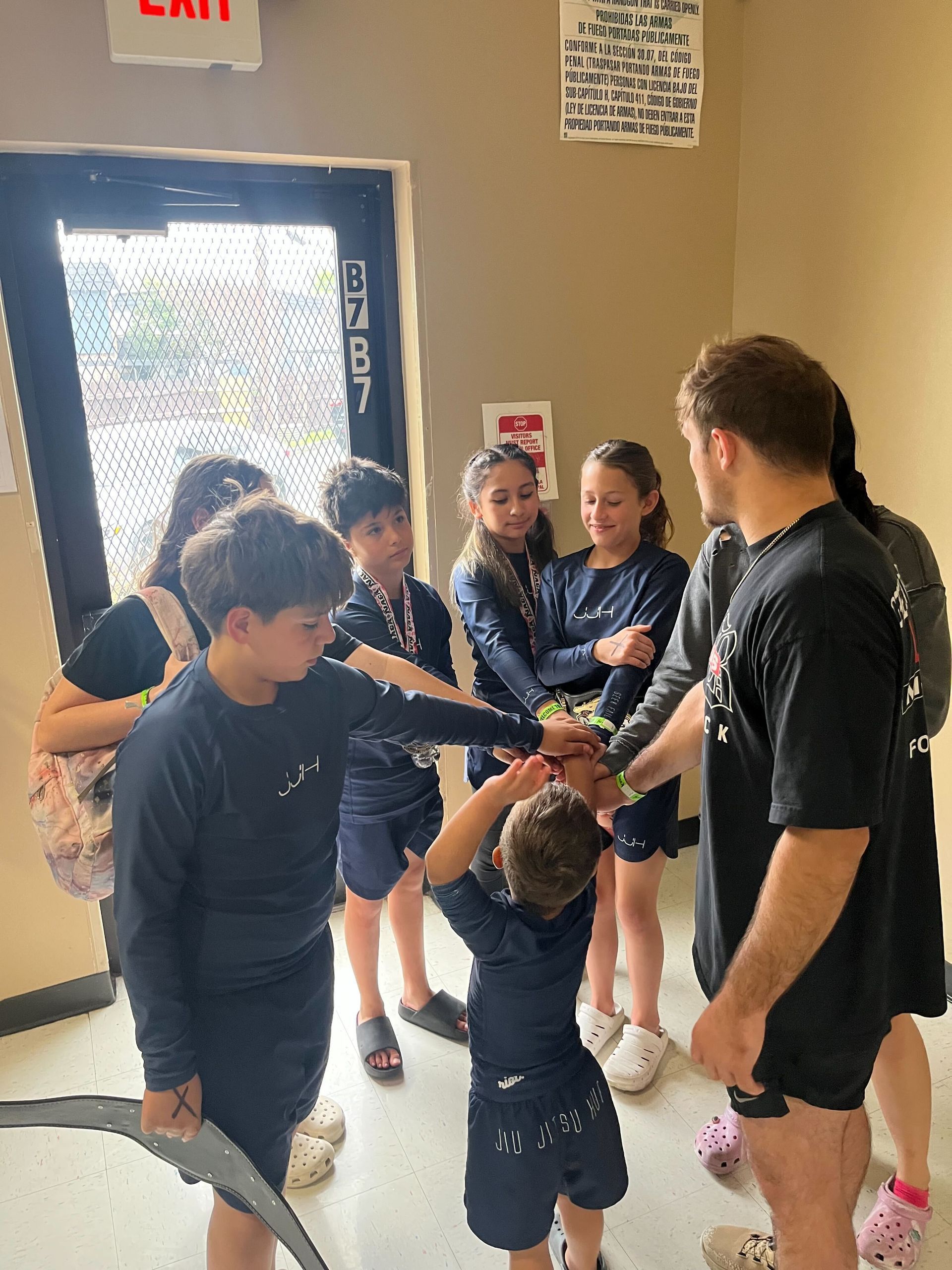
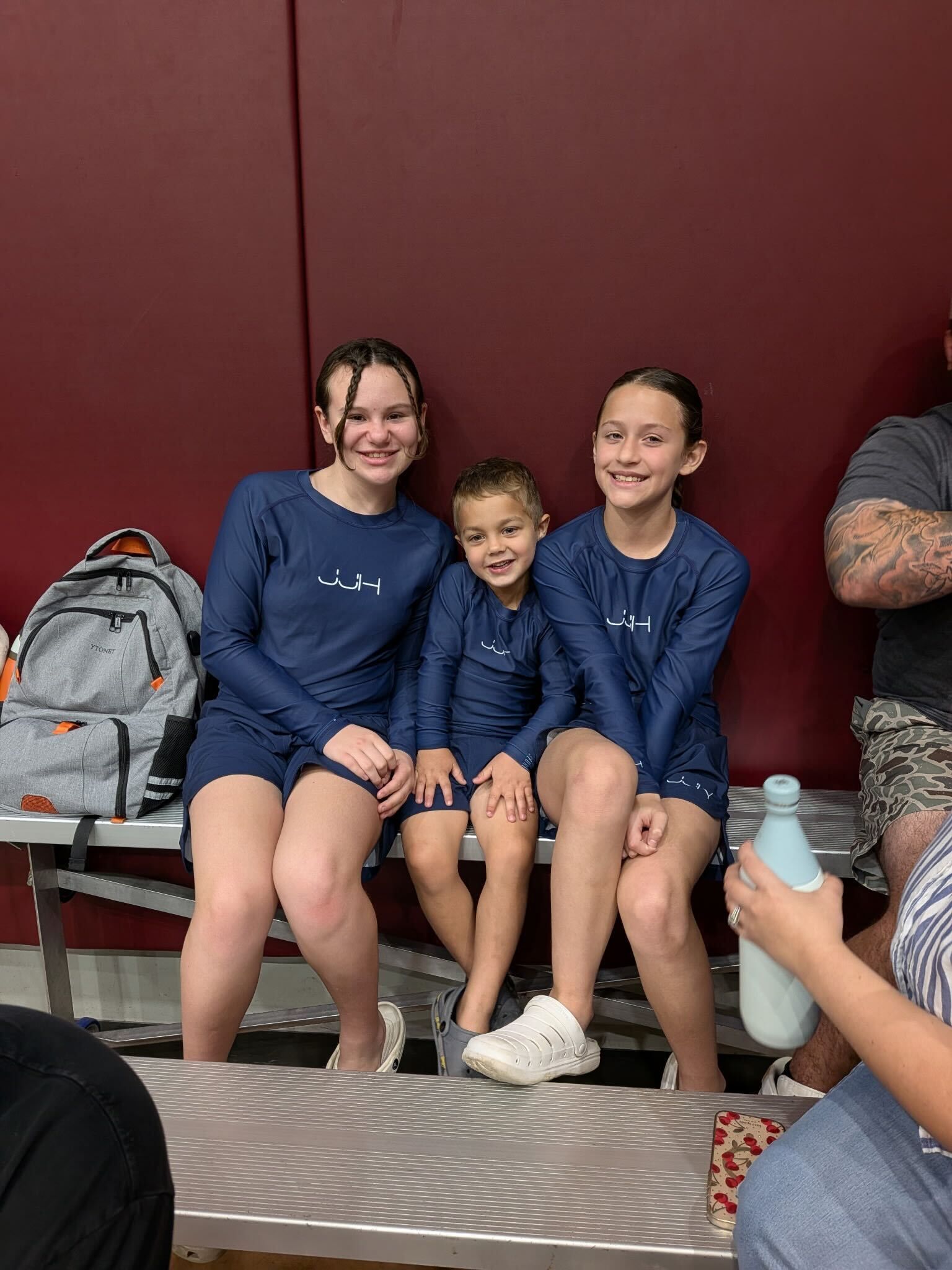
Confidence grows faster when you are not doing it alone. Our classes are structured so you get coaching, repetition, and training partners who want you to improve. Some days you will feel sharp; other days you will feel clumsy. Either way, you are part of a room where progress is normal and help is expected.
That sense of belonging is not a fluffy extra. It makes it easier to stick with training long enough for real change to happen.
What confidence looks like outside the gym
People often ask what “mat confidence” becomes in the real world. We like answering that because it is practical, not mysterious.
At work: calmer decisions and clearer boundaries
Jiu Jitsu teaches you to separate urgency from importance. In a tough roll, frantic movement wastes energy. The same is true in meetings, deadlines, and conflict. As you train, you become more comfortable pausing, breathing, and choosing your next step instead of reacting.
You may also notice stronger boundaries. When you understand balance and pressure physically, you start recognizing it socially too. You get better at saying “no,” asking for clarification, and holding your ground without getting emotional.
In social situations: better posture, voice, and presence
One of the simplest confidence shifts is physical. Training improves posture and movement because you practice base and alignment constantly. When you stand taller and move with more control, you tend to speak with more clarity too.
That can matter in everyday Georgetown life: school events, community gatherings, crowded spaces, or even just walking into a room when you would rather blend into the wall. You start feeling like you belong there.
In personal safety: realistic awareness, not paranoia
We train with resistance, which helps you understand what works and what does not. That is a big confidence builder, especially for people who have only done “follow-along” fitness classes. You learn how to manage distance, grip fighting, posture, and control. The goal is not to feel invincible; it is to feel prepared and aware.
Kids Brazilian Jiu-Jitsu in Georgetown TX: confidence parents can actually see
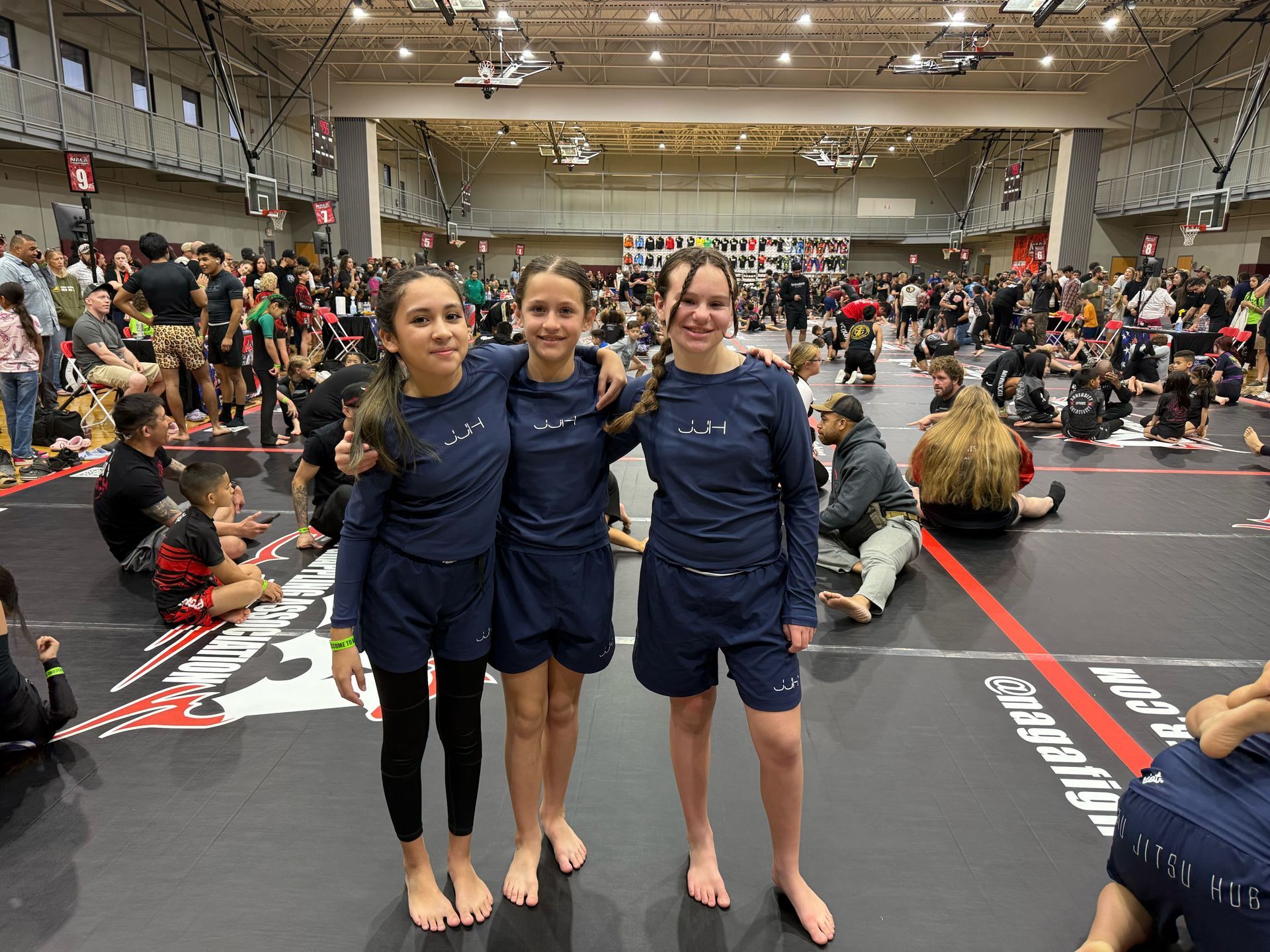
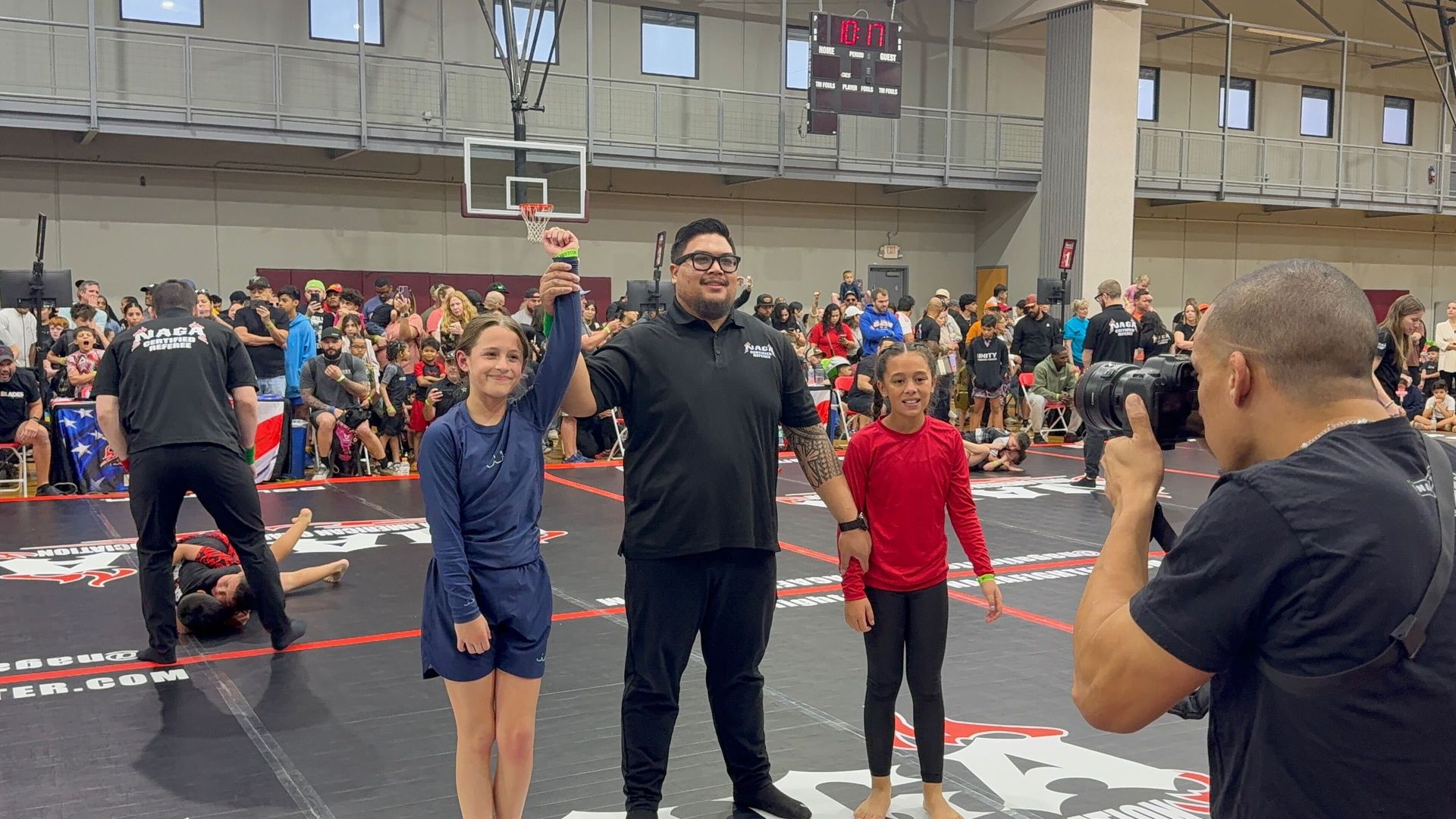
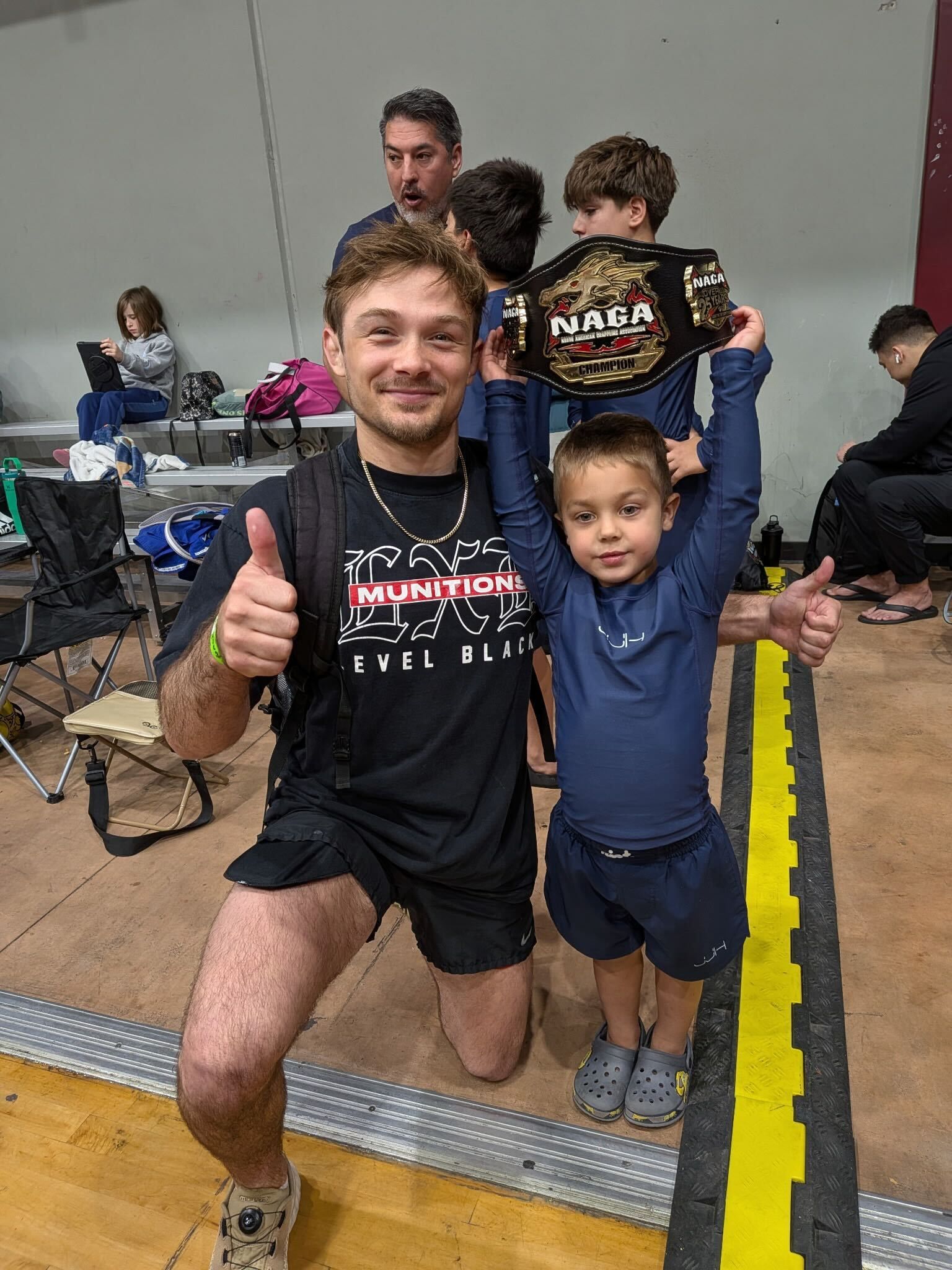
Parents do not just want a sport. You want your child to handle pressure, stand up for themselves, and bounce back when something goes wrong. In our Kids Brazilian Jiu-Jitsu in Georgetown TX program, we focus on confidence that shows up in very visible ways: posture, eye contact, listening skills, and the willingness to try again.
We also keep it age-appropriate. Kids need structure, clear expectations, and consistent coaching. They also need to have fun, because fun is what keeps them coming back long enough to build real skill.
Anti-bullying confidence without encouraging aggression
When kids learn grappling control, their confidence often improves quickly because they stop feeling helpless. At the same time, we emphasize responsibility. A child who can control another body needs clear rules about when to use skills and when to walk away.
We coach practical habits that support anti-bullying:
- Using a strong stance and steady voice
- Creating space and getting to a safe adult
- Staying calm when someone tries to provoke a reaction
- Building friendships and support, not isolation
- Practicing control and respect during partner drills
The result we aim for is a child who feels capable and also knows how to make good choices.
For shy kids: a gentle way to build courage
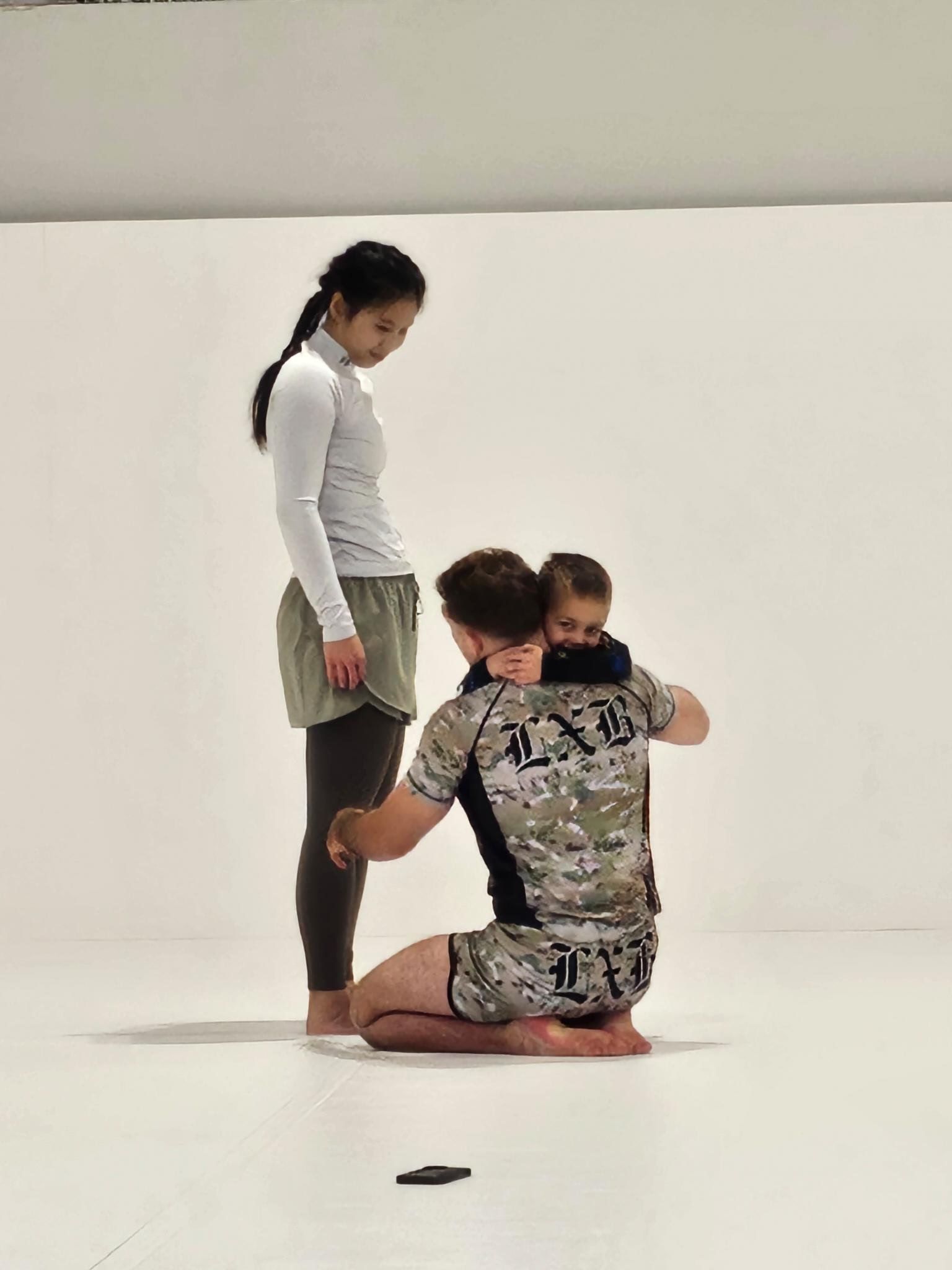
Some kids do not want to be the center of attention. That is okay. Jiu Jitsu can be a surprisingly good fit because progress happens through small partner drills and simple goals. A shy child can earn confidence through competence, not performance. And once they realize they can learn something difficult, that courage often spills into school and social life.
Adults starting Jiu Jitsu in Georgetown TX: you do not need confidence first
A common myth is that you should “get in shape” or “get tougher” before you start. We understand why people think that, but it is backwards. The class is where you build the fitness, coordination, and confidence.
Beginners are learning a new language. You will hear words like guard, mount, side control, frames, and escapes. At first, it can feel like a lot. Then one day you realize you understood half the class without trying. That moment is small, but it is also huge.
If you are nervous about your first session, a few things help:
1. Show up a little early so you are not rushed
2. Focus on learning, not “winning”
3. Ask questions when something feels confusing
4. Keep your breathing steady, even when you feel pressure
5. Train consistently enough to let the basics stick
Confidence follows consistency. Not perfection.
Gi vs No-Gi: two paths to the same kind of confidence
We offer training that can include both Gi and No-Gi styles, and both can build everyday confidence.
In Gi training, you wear the traditional uniform and learn grips that slow things down and make technique details very clear. It can feel methodical in a good way, like you are studying leverage with extra handles.
In No-Gi training, grips change and movement often speeds up. You learn strong positional control, body awareness, and how to connect techniques without relying on cloth grips.
If you are new, we help you choose what fits your comfort level and goals. Either way, the confidence benefit is the same: you learn to solve problems against resistance while staying calm.
What to expect in our classes (and why the structure matters)
A good class structure builds confidence because you know what you are walking into. While every session has its own theme, we keep a consistent rhythm so beginners can settle in.
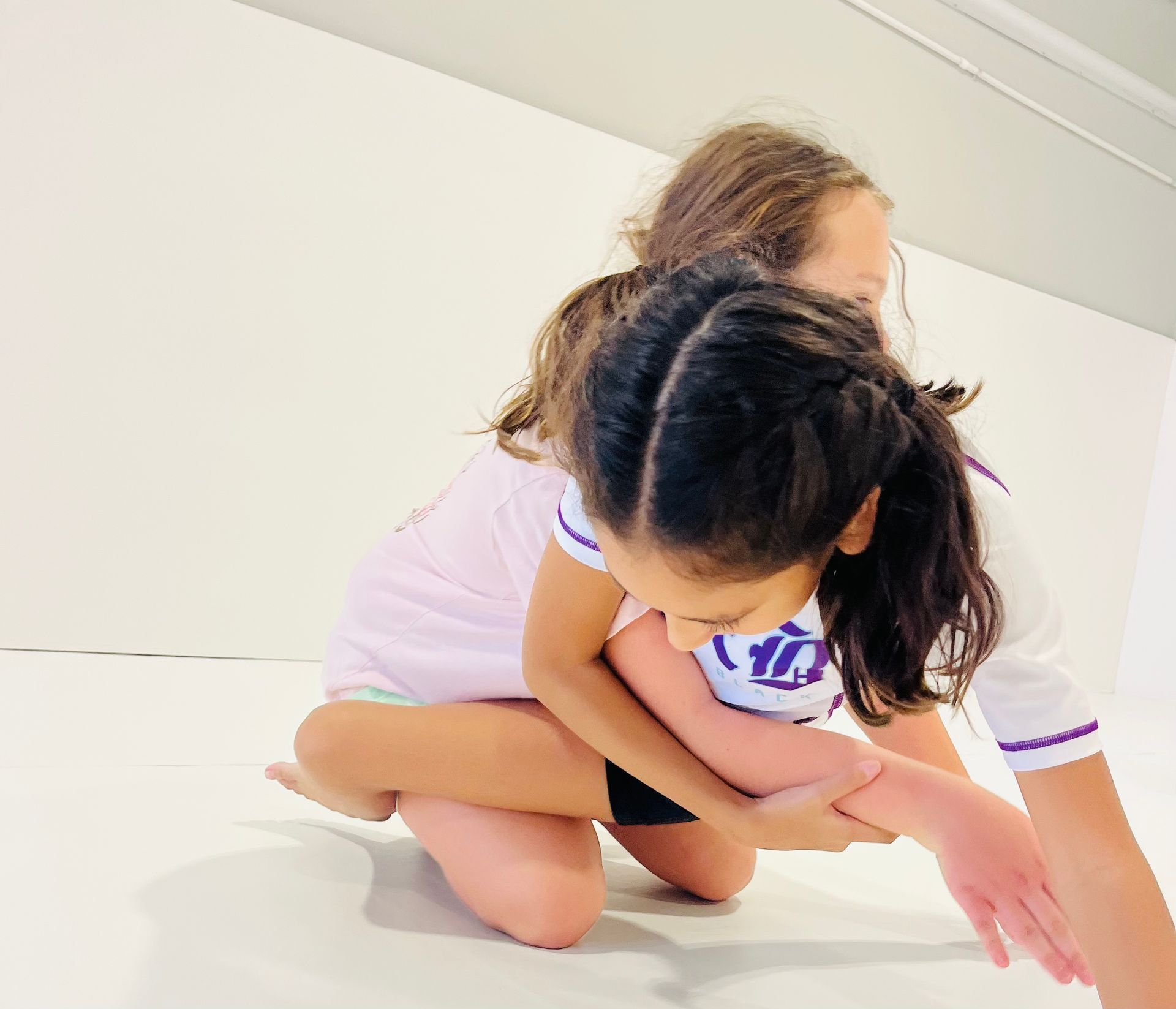
Most classes include technique instruction, guided drilling, and live training that matches your experience level. You are not thrown into the deep end without support. We want you challenged, but we also want you learning safely.
You will also notice we care about small details: how you fall, how you frame, how you protect your neck, how you tap, how you reset. Those details are what make training sustainable. And sustainable training is what creates real confidence over months and years.
Ready to Begin
Confidence is not something we hype up, it is something we build with you through repetition, coaching, and a training room that takes safety and progress seriously. When you train Jiu Jitsu consistently, you start trusting your ability to handle discomfort, solve problems, and stay composed, and that changes how you show up everywhere else.
If you are ready to experience that process in Georgetown, we would love to help you get started at
Jiu Jitsu Hub with a clear plan, a welcoming environment, and classes that meet you where you are today.
Challenge your body and sharpen your mindset by
joining a Jiu-Jitsu class at Jiu-Jitsu Hub.